When it comes to studying, light quality plays a crucial role. Many wonder, "why use a warm light vs cool light for studying?" Dr. Sarah Thompson, a renowned lighting expert, says, “The color of light influences our mood and concentration levels.” This statement underscores the significance of choosing the right light.
Warm light creates a cozy and inviting atmosphere. It promotes relaxation and can reduce stress. Many students find it easier to focus in such surroundings. Conversely, cool light, with its bright and stimulating qualities, can enhance alertness and focus. For intensive studying, cool light might seem appealing. However, it can also lead to eye strain and fatigue if overused.
The debate of warm versus cool light is nuanced, and personal preference matters greatly. Some learners thrive under warm light, while others prefer the crisp clarity of cool tones. It’s essential for students to assess their own study habits and environments. Experimenting with both types of lighting can reveal which truly enhances productivity and comfort.
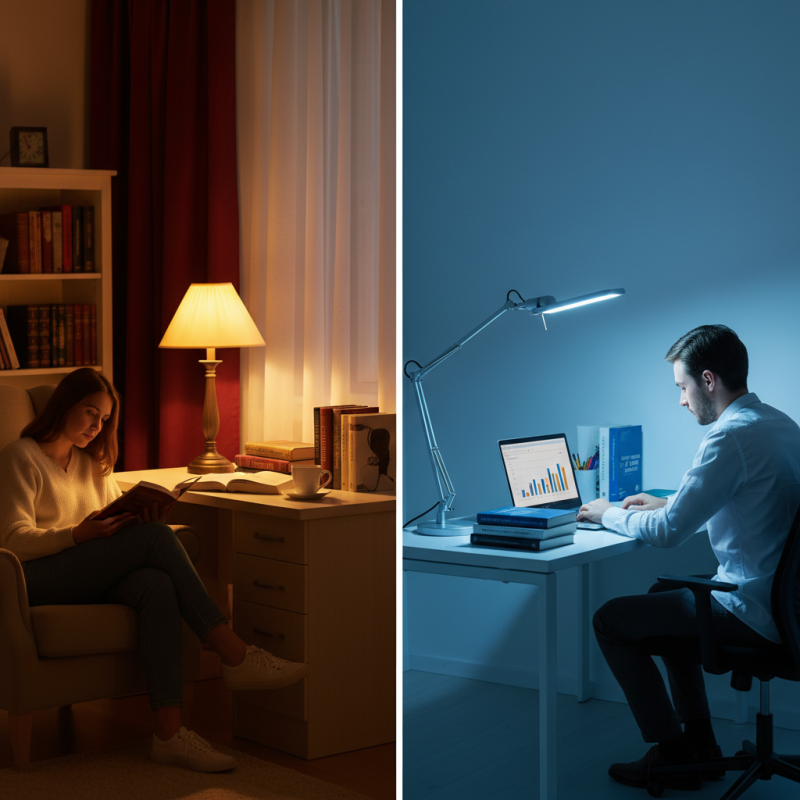
Choosing the right lighting can significantly affect your study sessions. Warm light, often described as cozy and inviting, plays a vital role in enhancing concentration. Its gentle glow mimics natural sunlight, creating a serene environment. This soft illumination reduces eye strain, making it easier to focus for longer periods. You may find yourself less distracted, fully absorbing the material before you.
Warm light does more than aid concentration; it positively influences mood. Studies suggest that this type of lighting can improve feelings of relaxation and happiness. When you feel good, you are more likely to retain information. However, not everyone responds to light in the same way. What works for one person may not work for another. Experimenting with different types of lighting can help you discover what truly enhances your own study experience.
Creating a comfortable workspace is key. Consider adjusting the warm light intensity according to the time of day. Sometimes, it may even feel too dim, leading to frustration. Invest time in finding the right balance between warmth and brightness. It's a process that requires patience but can ultimately lead to more productive study habits.
Cool light can significantly affect your alertness and cognitive performance. Research suggests that blue-enriched light enhances attention and reaction speed. Students studying under bright, cool lighting often report feeling more awake and focused. This is crucial during late-night study sessions or early morning classes.
However, not everyone responds to cool light the same way. Some individuals may experience eye strain or headaches. The brightness of cool light can also create a sterile environment, which might dampen creativity. It’s essential to find a balance. Experiment with different lighting to see what works for you.
A well-lit study space improves focus, but too much cool light might be counterproductive for some. Listen to your body’s response. Monitor how you feel in different lighting conditions. This awareness can help you optimize your study environment for better outcomes.
| Light Type | Color Temperature (Kelvin) | Alertness Level (1-10) | Cognitive Performance (Score) | Recommendation for Study |
|---|---|---|---|---|
| Warm Light | 2700-3000K | 6 | 75 | Good for Relaxation and Comfort |
| Neutral Light | 3500-4100K | 7 | 80 | Balanced for General Tasks |
| Cool Light | 5000-6500K | 9 | 90 | Best for Focus and Alertness |
Light color temperature can significantly impact your study effectiveness. Research shows that warm light creates a cozy atmosphere, promoting relaxation and creativity. In contrast, cool light enhances alertness and focuses attention, making it ideal for rigorous studying. A study from the University of Toronto found that students perform better in environments illuminated with cool light.
Tips for choosing the right light: Experiment with both warm and cool lighting in your study space. Observe how each type affects your concentration and mood. Try using warm light for brainstorming sessions and cool light for intense study periods. Small adjustments can lead to better outcomes.
Lighting also affects our circadian rhythms. Exposure to cool light during daytime hours can help regulate sleep cycles. However, overexposure in the evening can disrupt sleep. It's essential to be aware of how different lighting makes you feel throughout the day. Adjust accordingly to enhance overall productivity.
Choosing the right lighting for study sessions can significantly affect concentration and productivity. Natural light is optimal during the day. It helps maintain focus and regulates circadian rhythms. For morning to early afternoon study sessions, a cool light setting is ideal. It enhances alertness and sharpens mental clarity. Many students find that studying in these conditions boosts their overall performance.
As the day progresses, transitioning to warm light can create a more relaxing atmosphere. Warm light is soft and reduces eye strain, perfect for evening study periods. It promotes a sense of comfort and can ease the transition to winding down for the day. Balancing the intensity of light according to the time can promote effective study routines and minimize fatigue.
Everyone's preferences differ, and some may feel fatigue with too much brightness. It’s crucial to experiment with different lighting setups. Observing changes in productivity can lead to personal insights. Each study session offers a learning opportunity. Finding a balance that suits your needs is an ongoing journey, not a one-time fix.
When studying for long hours, the type of lighting can significantly impact your results. Warm light creates a cozy atmosphere, perfect for relaxation. It can help reduce stress and make reading feel more enjoyable. However, too much warm light may lead to drowsiness, hindering focus.
On the other hand, cool light enhances alertness and concentration. It resembles natural daylight and can keep you energized during intense study sessions. While this light boosts productivity, it may create a clinical environment that lacks comfort.
Tips for Balance:
Experiment with the mix of warm and cool light. Try using warm light for breaks and transitions. This can help you unwind without sacrificing focus. If you feel sleepy, adjust to a cooler tone for a short period.
Pay attention to how different lights affect your mood and concentration. Each person has unique preferences. It's vital to discover what works best for you. Adjusting light settings throughout your study time can promote both comfort and effectiveness in your sessions.
: Natural light is optimal. It enhances focus and supports circadian rhythms.
Use cool light in the morning. Switch to warm light for evening sessions to create a relaxing atmosphere.
Warm light reduces eye strain and fosters comfort, making reading more enjoyable during long hours.
Yes, excessive warm light might cause drowsiness, leading to decreased focus and productivity.
Cool light boosts alertness and concentration, resembling natural daylight, but might feel less cozy.
Experiment with both warm and cool light. Use warm light during breaks to relax without losing focus.
No, adjust lighting based on mood and time. Personal preferences can change throughout study sessions.
Observe your productivity with different lights. Finding what works best is a personal journey of trial and error.
If you feel drowsy, briefly switch to a cooler tone to regain energy and focus.
Not at all. While important, other factors like break time and study environment also play critical roles.
Choosing the right lighting for studying can significantly impact concentration and cognitive performance. Warm light is known to enhance mood and promote relaxation, making it beneficial for longer study sessions or late-night studying when a calm environment is essential. In contrast, cool light has been shown to increase alertness and boost cognitive performance, which can be particularly advantageous for tasks requiring intense focus and quick thinking.
Scientific studies suggest that the color temperature of light can influence learning environments, indicating that a balanced approach may be optimal. Specifically, the choice between warm and cool light hinges on factors such as the duration of study and the time of day. Understanding why use a warm light vs cool light for studying can help learners create an effective study space tailored to their needs, enhancing both productivity and comfort.

Q-Link Lighting