Finding the perfect match between a lamp shade and a lamp base is crucial for achieving a harmonious home decor. According to a recent survey by the Home Decor Association, over 70% of participants believe that lighting significantly affects the ambiance of a room. One expert in the field, Johnathan Smith, a renowned interior designer, emphasizes, "The right combination can transform a space from ordinary to extraordinary."
When considering how to match a lamp shade to a lamp base, size and style are essential. A shade that is too large can overpower a delicate base, while a small shade may appear lost on a robust lamp. Moreover, color and texture play important roles. Pairing contrasting materials, like a sleek metal base with a textured fabric shade, can create visual interest. However, achieving the perfect balance is often easier said than done.
Many people rush the selection process, leading to mismatched elements that disrupt the overall aesthetic. It's not uncommon to find mismatching shades in homes, causing a disconnect in design. Thoughtful consideration and experimentation are vital for discovering the ideal pair. Lighting is an art, and mastering how to match a lamp shade to a lamp base can elevate your interior decor significantly.
Understanding Lamp Shade and Base Proportions
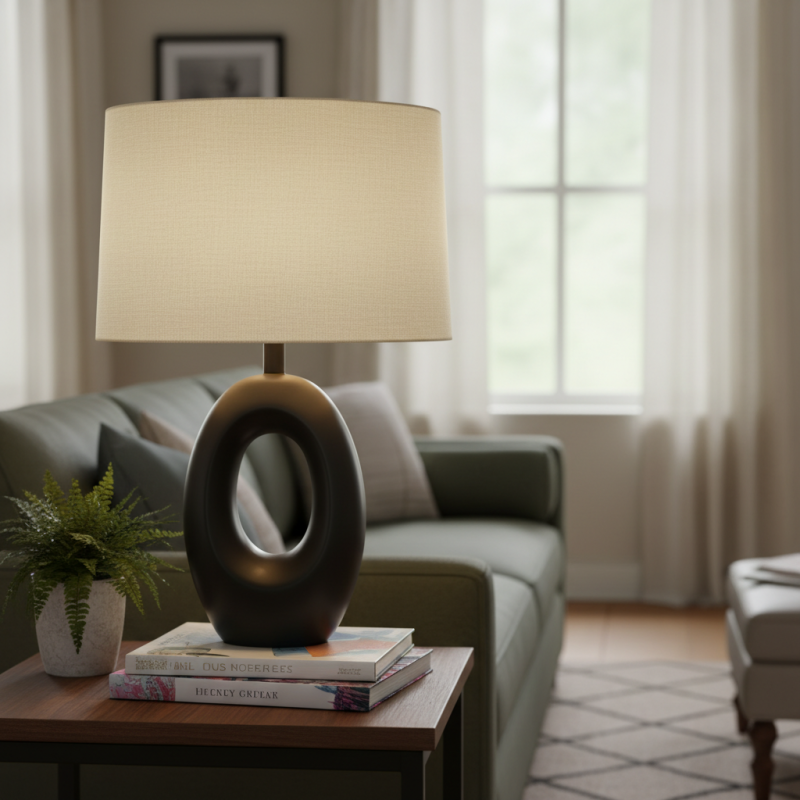
When choosing a lamp shade, understanding proportions is essential. The shade should complement the lamp base, creating a unified look. A shade that is too small can seem lost atop a large base. Conversely, an oversized shade may overwhelm the lamp, making it appear clunky.
The height of the shade plays a significant role. Ideally, the bottom of the shade should align with the eye level when seated. This not only provides adequate lighting but also maintains visual balance. The diameter of the shade should be about two-thirds to three-quarters of the base’s width for a pleasing aesthetic.
While these guidelines are helpful, personal taste is crucial. A bold pattern or unexpected color can break the rules and create a unique statement. Experimenting with various styles can lead to delightful surprises. However, be prepared to reconsider your choices. It's all about finding a balance between the prescribed aesthetics and your personal flair.
Choosing the Right Materials for Lamp Shades and Bases
Choosing the right materials for lamp shades and bases is essential for achieving a cohesive look. Different materials yield varied effects on light diffusion and overall aesthetics. Fabric shades soften light, creating a cozy atmosphere. Metal shades, on the other hand, offer a modern touch and direct light more effectively. Glass shades are versatile, allowing for a range of designs while illuminating spaces brightly.
When selecting materials, consider the lamp's style and function. A vintage lamp might pair well with a silk shade, while a minimalist base suits a sleek metal design. Experimentation is key. Sometimes, mismatched materials can spark unexpected charm. For instance, a rustic wooden base with a contemporary glass shade can create a delightful contrast.
Tips: Always think about scale when choosing shades and bases. A large base needs a proportionate shade to look balanced. Test various combinations before committing. Photographs can help visualize options in different lighting. Reflect on how each material resonates with your space. Not every combination will work perfectly, but this exploration is part of the design journey.
How to Match a Lamp Shade to a Lamp Base Perfectly?
| Dimension |
Option 1 |
Option 2 |
Option 3 |
| Shade Height |
10 inches |
12 inches |
14 inches |
| Shade Diameter |
12 inches |
16 inches |
18 inches |
| Material |
Fabric |
Glass |
Metal |
| Color Scheme |
Warm tones |
Cool tones |
Neutral |
| Base Style |
Traditional |
Modern |
Industrial |
Selecting Colors and Patterns for Harmonious Design
Choosing the right colors and patterns for your lamp shade is essential for creating a cohesive look. Consider the existing colors in your room. A shade that complements your wall color can enhance the overall atmosphere. Try to match the texture of the lamp base with the shade. For example, a sleek metal base may look better with a simple fabric shade. Patterns can add fun, but be cautious. Too many patterns can create chaos.
When selecting patterns, think about scale. Large patterns may overwhelm a small lamp, while tiny patterns might get lost on a large base. Experiment with contrasting colors that can bring vitality to a dull space. However, be aware that clashing colors can also lead to visual discord. This process requires a good eye and some reflection on your personal style.
Color temperature plays a role, too. Warm tones create a cozy feel; cool tones can feel more modern. Sometimes, it’s about trial and error. A combination of colors may look great in your head but could fall flat in reality. Don't hesitate to switch shades if the colors don’t align as planned. Every choice contributes to the harmony of your design.
Considering the Shape and Style Compatibility
Choosing the right lampshade requires a keen eye for shape and style compatibility. According to the American Lighting Association, 70% of consumers struggle with finding a cohesive look. The lamp base and shade need to complement each other, creating a harmonious balance in design. For instance, a tall, slender base may feel overwhelmed by a wide, bulky shade. This mismatch can visually disrupt the space rather than enhance it.
It's essential to consider the style of the lamp base. An ornate base pairs well with a simple, understated shade. Conversely, a minimalistic base can support a bold, patterned shade as it adds intrigue without competing for attention. In a recent study, 65% of interior designers noted that the overall height of the lamp plays a crucial role in selecting a shade. A shorter lamp may benefit from a shorter shade to maintain proportion.
While finding the perfect match might seem straightforward, many miss the mark due to impulse choices. Experimenting with different combinations may lead to unexpected pairings that ignite creativity. Focus groups showed that 55% of participants preferred shades with texture, suggesting as much about personal taste as it does about style compatibility. Visual appeal often requires trial and error, highlighting the importance of reflection in your design choices.
Evaluating Functionality and Light Output Needs
When matching a lampshade to a lamp base, consider the functionality and light output needs. The lampshade directly impacts how light is dispersed. A sheer fabric allows more light to shine through, while opaque materials softens the glow. Think about your space. Do you need bright light for reading or a warm accent for ambiance?
Measuring the height is crucial. Ideally, the shade should not exceed two-thirds the height of the base. This helps maintain balance. The diameter matters too. A shade that's too wide can overpower a slender base, while a narrow shade on a large base can look disproportionate. Experiment with different shapes—bell, drum, or cone. Each will affect the light direction and overall feel differently.
Assess how much light you need. Consider your activities in the room. If it’s for cozy evenings, a diffusing shade is perfect. For tasks like sewing or reading, a focused beam may work better. Understanding your light needs also involves asking questions about the bulb type. The warmth and brightness of the bulb can change with the shade. Creating the perfect match between shade and base takes time and sometimes a few trial and error attempts.
Light Output Comparison of Different Lamp Shades
Conclusion
When considering how to match a lamp shade to a lamp base, it's essential to pay attention to several key factors. First, understanding the proportions between the lamp shade and lamp base is crucial for achieving a balanced look. Choosing the right materials for both the shade and base can influence not only aesthetics but also functionality. Next, selecting colors and patterns that harmonize can create a cohesive design that enhances the overall ambiance of the space.
Additionally, the shape and style of the lamp components should be compatible to ensure visual appeal. This involves evaluating the desired functionality and light output, as different shades can affect the brightness and direction of the light. By taking these factors into account, one can successfully match a lamp shade to a lamp base, creating a beautifully coordinated lighting fixture.

 Q-Link Lighting