What is the Difference Between a Task Lamp and an Accent Lamp?

Time:2026-05-31 Author:Sophia
0%

When looking to enhance a space, lighting plays a crucial role. Understanding different types of lamps can elevate your decor. This brings us to the question: what is the difference between a task lamp and an accent lamp?

Task lamps serve a functional purpose. They provide focused light for specific activities. Think of reading, writing, or working on a craft project. The design often allows for adjustable angles and brightness. Accent lamps, on the other hand, are about aesthetics. They create ambiance and highlight features in a room. Their glow is softer, adding warmth to spaces.

Both types of lamps are essential in their own right. Yet, their roles differ significantly. A task lamp may shine brightly on a desk. An accent lamp may softly illuminate a cozy corner. Knowing which to choose depends on your needs and style. Reflect on how you use your space to find the balance between productivity and ambiance.
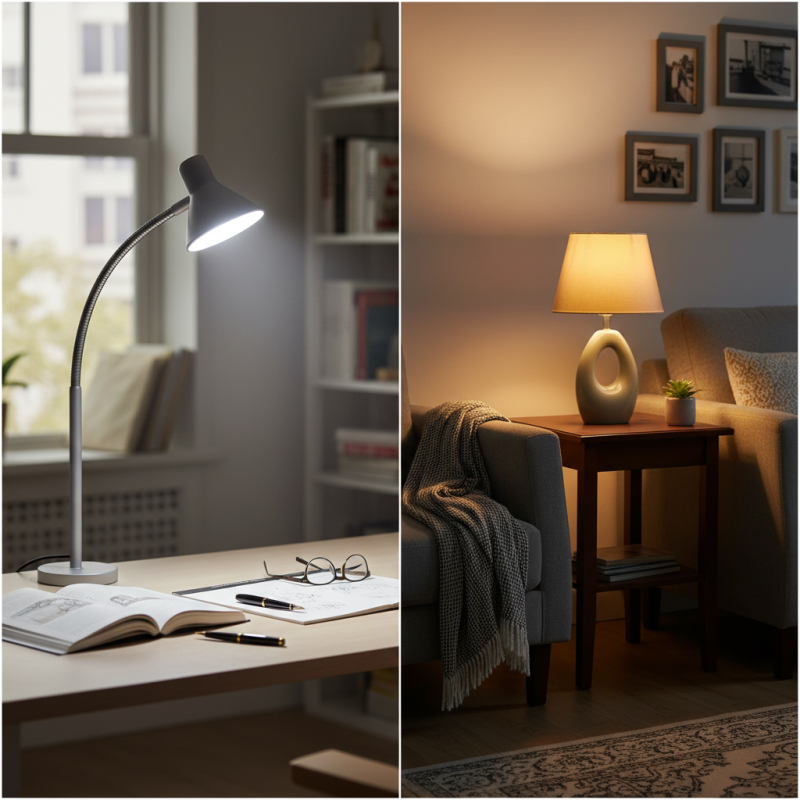
What is the Difference Between a Task Lamp and an Accent Lamp?

Definition of Task Lamps and Accent Lamps

Task lamps and accent lamps serve distinct purposes, and understanding their definitions can enhance your lighting choices. Task lamps are designed for functionality. They provide focused light for specific activities like reading or working. These lamps usually feature adjustable arms and bright bulbs. Their goal is to reduce eye strain during close-up tasks.

Accent lamps, on the other hand, focus more on aesthetics. These lamps add style and ambiance to a space. They do not always deliver powerful illumination. Instead, they create a warm atmosphere. Often, accent lamps highlight art pieces or architectural features. They can be found in various shapes, colors, and designs.

Tips: Consider the activities you do in a space when choosing a task lamp. A well-placed task lamp can boost your productivity. For accent lamps, think about how colors and textures will enhance your room's design. Mixing these two types can balance functionality with beauty.

What is the Difference Between a Task Lamp and an Accent Lamp?

Feature Task Lamp Accent Lamp
Purpose For focused tasks such as reading or working For decorative purposes and ambiance enhancement
Light Direction Direct light, usually adjustable Soft, diffused light
Design Functional and utilitarian design Stylish and artistic design
Common Locations Desks, workspaces, or reading areas Living rooms, bedrooms, or as side table lights
Light Output High lumens for bright light Low to moderate lumens for ambiance
Bulb Type LED, fluorescent, or incandescent Incandescent or decorative bulbs

Primary Functions of Task Lamps

Task lamps are designed primarily for functionality, offering focused lighting for specific tasks like reading or writing. Their beam is often directed, making them ideal for workspaces. According to a report by the International Lighting Design association, around 70% of professionals find that proper task lighting increases productivity and reduces eye strain. This is particularly vital in environments where precision and detail are crucial.

Accent lamps, on the other hand, serve a decorative purpose rather than functionality. They add interest and depth to a room's ambiance, rather than providing focused light for tasks. While they can enhance a space, over-relying on accent lighting can lead to inadequate illumination in work areas, making it crucial to balance both.

**Tips:** When selecting a task lamp, consider its adjustable features. A flexible arm can allow you to direct light exactly where needed. Also, check the lumens rating; a lamp between 300 to 600 lumens is typically suitable for reading tasks. Experiment with placement to maximize effectiveness and avoid shadows that can hinder your work.

Key Features and Design Elements of Accent Lamps

Accent lamps serve a distinct purpose in interior design. Unlike task lamps, which provide direct lighting for activities, accent lamps highlight aesthetic elements in a room. They create ambiance and enhance the visual appeal of spaces. According to the American Lighting Association, the right accent lamp can increase perceived room size by creating depth and interest.

Key features of accent lamps include size, color, and design. These lamps often come in various styles, from classic to modern. They can be made from materials such as glass, metal, or ceramic. The light emitted from accent lamps is usually softer and more diffused. This creates a warm atmosphere in living rooms or bedrooms. Industry studies show that well-placed accent lighting can improve mood and energy levels.

Tips for choosing accent lamps include considering the color scheme of your room. Select lamps that complement your décor. Size matters too; a larger lamp can serve as a focal point. Remember, an accent lamp should enhance, not overpower. Always reflect on how light interacts with your space. The goal is to create harmony with functional and aesthetic elements.

Ideal Placement and Usage Scenarios for Each Type

Task lamps and accent lamps serve different purposes in home lighting. Understanding their ideal placement and usage can enhance functionality and aesthetics in any room. Task lamps, designed for focused lighting, are best placed in work areas. These areas include desks, reading nooks, or any space where detailed activities take place. According to a report from the American Lighting Association, about 62% of people find that proper lighting impacts their productivity. Therefore, it’s essential to position task lamps where they can provide direct light without glare.

In contrast, accent lamps are used to highlight features in a room. They create ambiance and bring attention to artwork, plants, or architectural details. Ideal spots for accent lamps include side tables, entryways, or corners where you want to create warmth. A study from the International Association of Lighting Designers showed that 75% of designers agree that accent lighting contributes significantly to a room's overall feel. Yet, finding the right balance is crucial. Too many accent lamps can clutter a space, overwhelming the desired effect.

Tip: When placing a task lamp, ensure it is no more than 30 inches from the work surface for optimal light distribution. For accent lamps, choose a wattage that complements existing lighting to avoid a jarring contrast. Experimentation may lead to adjustments in placement and brightness for the best overall experience.

Comparison of Lighting Quality and Aesthetic Impact

When comparing task lamps and accent lamps, the difference in lighting quality is significant. Task lamps are designed for functionality. They provide focused, bright light ideal for activities like reading or studying. Their illumination aims to reduce eye strain and enhance productivity. Studies indicate that proper task lighting can improve work performance by up to 20%.

On the other hand, accent lamps serve an aesthetic purpose. They create ambiance and highlight decorative elements in a room. The light from accent lamps is softer and more diffused. This type of lighting can enhance a space's mood, making it feel warmer and inviting. Research suggests that well-placed accent lighting can boost perceived room size and create a more dynamic environment.

However, both lamp types share a common challenge: finding the right balance. Overusing either can lead to eye fatigue or an overly bright space. It's essential to assess individual needs and experiment with various placements. The art of lighting, while impactful, often requires revision and adaptation for optimal results.

FAQS

: What is a task lamp?

: A task lamp provides focused light for activities like reading or working. It helps reduce eye strain.

Where should I place a task lamp?

Task lamps are best placed at desks or reading nooks. They should be within 30 inches of the work surface.

What is an accent lamp?

An accent lamp adds style and ambiance to a room. It is not focused on providing bright light.

How can accent lamps enhance a space?

They create warmth and highlight artwork or architectural features. The light is softer and more diffused.

Can I mix task and accent lamps?

Yes, mixing both types achieves a balance between functionality and beauty in your space.

What is a common issue with lighting?

Overusing either lamp type can lead to eye fatigue or an overly bright space. Finding balance is essential.

How does lighting affect productivity?

Proper task lighting can improve productivity by up to 20%, enhancing focus during detailed activities.

What should I consider when choosing a lamp?

Consider your activities and how colors or textures will enhance your room's overall design and feel.

How can I test my lamp placements?

Experiment with different placements and brightness levels to achieve the best lighting experience.

What wattage should I choose for accent lamps?

Select a wattage that complements existing lighting, avoiding harsh contrasts in brightness.

Conclusion

When exploring "what is the difference between a task lamp and an accent lamp," it's essential to understand their definitions and primary functions. Task lamps are designed specifically to provide focused lighting for activities such as reading, writing, or working, ensuring adequate illumination on work surfaces. They often feature adjustable arms and directed lighting to enhance visibility for specific tasks.

In contrast, accent lamps serve more aesthetic purposes, enhancing the decor of a space by adding visual interest and warmth. Key features of accent lamps include decorative designs and softer lighting that complements ambient light rather than providing functional illumination. The ideal placement of task lamps is typically near workspaces, while accent lamps can be positioned throughout a room to create ambiance. Ultimately, the comparison highlights the contrasting lighting quality and aesthetic impact each lamp type offers, catering to different needs within interior design.

Sophia

Sophia

Sophia is a dedicated marketing professional with an exceptional depth of knowledge about her company's products and services. With a keen understanding of market trends and customer needs, she crafts insightful blog posts that not only inform but also engage readers, enriching the company’s online......