Many desk lamp users often wonder, "why does my desk lamp get so hot?" This question highlights a common issue faced in workspace ergonomics. A study by the American Lighting Association shows that improper lighting directly affects productivity and comfort. When a desk lamp runs excessively hot, it can lead to discomfort and potentially hazardous situations.
Heat buildup can stem from various factors. Incandescent bulbs, for instance, release about 90% of their energy as heat, rather than light. As energy-efficient options like LED bulbs become more popular, awareness about safe usage grows. According to the U.S. Department of Energy, LED bulbs produce significantly less heat, which minimizes the risks associated with overheating.
However, even with energy-efficient models, other factors need attention. Poor ventilation, mismatched wattage, or faulty wiring can contribute. Ignoring these signs can lead to more significant electrical hazards. Ensuring your desk lamp operates within safe temperature ranges is essential for a comfortable working environment. Balancing aesthetics with functionality is not always straightforward, but understanding heat generation is crucial for making informed choices.
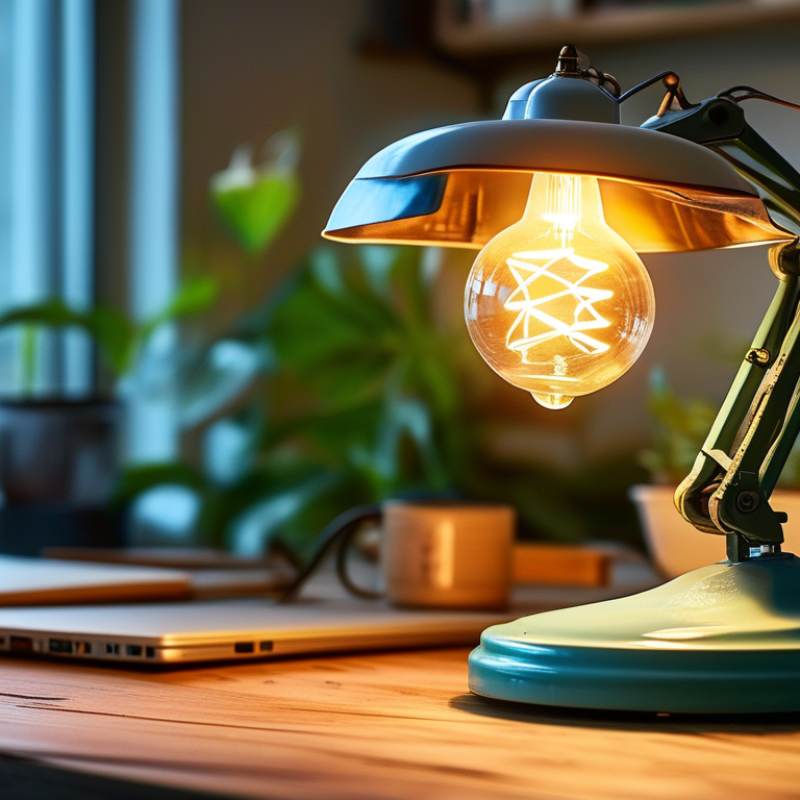
Desk lamps often generate significant heat during use, raising concerns about safety and efficiency. Understanding the causes of heat is crucial. Commonly, the type of bulb used directly influences the heat output. Incandescent bulbs, for example, convert only about 10% of energy into light, wasting the rest as heat. In contrast, LED bulbs convert roughly 80% of energy, making them a cooler choice.
Another contributing factor is the design of the lamp itself. Lamps with restricted airflow, like those with closed designs, trap heat more effectively. According to the U.S. Department of Energy, improper lamp placement can also exacerbate heat issues. A lamp placed too close to flammable materials poses a fire risk. It's essential to assess the space around your desk lamp regularly.
Lastly, age and maintenance play a significant role in lamp performance. Older bulbs may overheat as they wear down. Regularly checking the lamp's wiring and components is advisable. A frayed cord or loose connection can increase resistance and heat. Ignoring maintenance can lead to performance failure and potential hazards. Keep safety in mind to ensure your workspace remains comfortable and efficient.
: Desk lamps generate heat primarily due to the type of bulb used. Incandescent bulbs convert most energy into heat, while LEDs are more efficient.
LED bulbs reduce heat production significantly, converting about 80% of energy into light, making them a cooler option.
Lamps with closed designs trap heat more effectively, leading to higher temperatures. Good airflow is crucial for reducing heat buildup.
Yes, improper placement near flammable materials can increase fire risk. Regularly assess the space around your desk lamp.
Older bulbs can overheat as they wear down. Regular checks on wiring and components can help prevent overheating issues.
If a lamp is too hot, check for dust accumulation and ensure proper ventilation. Adjust placement or consider switching bulbs.
Regular cleaning prevents dust buildup, which can trap heat. Make it a habit to check and clean your lamp frequently.
Prolonged use without breaks can lead to overheating. Turning off the lamp periodically reduces heat buildup and extends its lifespan.
A hot lamp can cause burns if touched and may increase fire risks if overheating goes unattended. Always prioritize safety in your workspace.
Understanding why does my desk lamp get so hot is essential for both safety and functionality. Desk lamps can generate excessive heat due to several factors, including the type of bulb used, lamp design, and prolonged usage. Common types of desk lamps, such as incandescent, fluorescent, and LED models, have different heat characteristics that can influence their temperature during operation.
To mitigate overheating, it’s important to follow safe operating practices, such as using the correct wattage bulb and ensuring proper ventilation. Troubleshooting solutions include checking for faulty wiring or ensuring the lamp is not covered or obstructed. If overheating persists despite these measures, seeking professional help is crucial to prevent potential hazards and ensure the lamp operates safely. Understanding these elements can help users maintain a safe and efficient working environment.

 Q-Link Lighting