10 Benefits of Asymmetrical Lighting You Need to Know?

Time:2026-05-19 Author:Henry
0%

Asymmetrical lighting has become a key topic in design and architecture. This unique approach offers various advantages that can transform spaces. Renowned lighting designer, David C. Smith, highlights, "Asymmetrical lighting can add depth and character to any environment." This statement encapsulates the essence of what are the benefits of asymmetrical lighting.

One significant perk of asymmetrical lighting is its ability to create mood and ambiance. By directing light unevenly, designers can highlight important elements while casting others in shadow. This technique invites viewers to explore the space, making it feel dynamic and engaging. However, it requires a keen eye to balance light and shadow effectively.

Another crucial aspect is functionality. When addressing specific tasks, such as reading or cooking, asymmetrical lighting can illuminate areas precisely where needed. This not only enhances usability but also proves that not all lighting needs to be uniform. Reflecting on these benefits, one must consider the art of placement and the intention behind every light source. It's a dance of illumination that merits thoughtful design strategies.
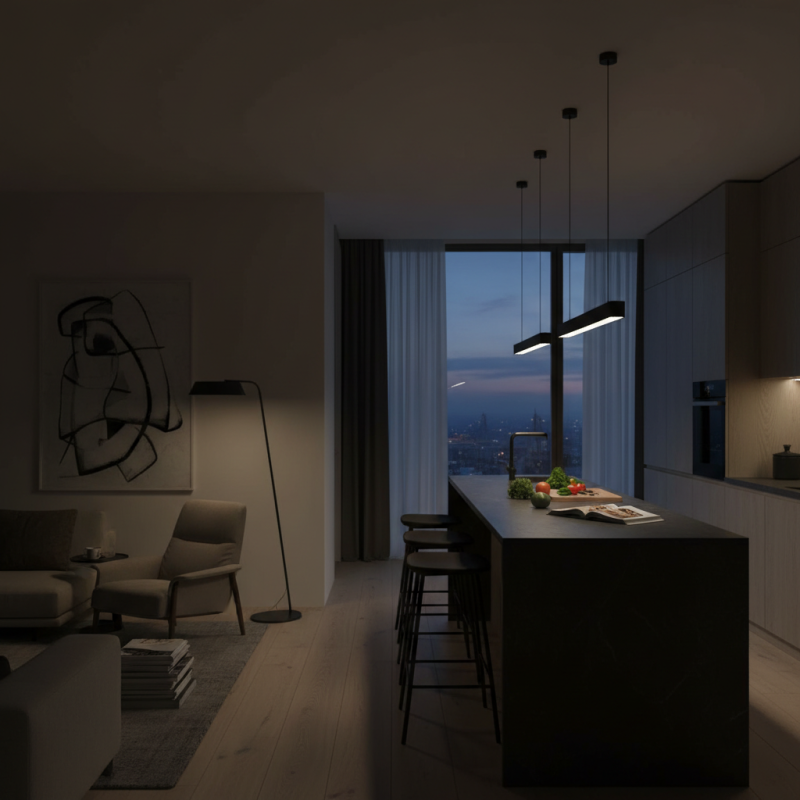
10 Benefits of Asymmetrical Lighting You Need to Know?

Understanding Asymmetrical Lighting and Its Unique Characteristics

Asymmetrical lighting is a captivating design choice, offering unique characteristics that enhance various spaces. Unlike traditional symmetry, this approach creates visual interest and depth. It breaks monotony, fostering a dynamic environment. The interplay of light and shadow adds drama, transforming an ordinary room into an extraordinary one.

Utilizing asymmetry requires thoughtful planning. For example, placing a lamp off-center can illuminate a reading nook effectively. The resulting highlight draws attention and enhances functionality. However, achieving balance is crucial. Too much variation might lead to chaos in smaller areas. Adjusting angles and intensity helps maintain harmony, even when embracing asymmetry.

Asymmetrical lighting also encourages personal expression. It allows for flexibility in design choices. You can mix styles, such as modern fixtures with rustic elements, creating an eclectic atmosphere. Yet, this freedom brings challenges. Ensuring that the lighting complements existing decor can be complicated. It demands a keen eye for detail and a willingness to experiment. Balancing aesthetics with practicality is essential for a successful outcome.

10 Benefits of Asymmetrical Lighting You Need to Know

Enhancing Interior Design with Asymmetrical Lighting Techniques

Asymmetrical lighting is an innovative technique that can significantly enhance interior design. It entails using different light sources to create balance and interest without relying on symmetry. According to the American Society of Interior Designers, effective lighting can improve mood and productivity in living and working spaces. Asymmetrical designs provide depth and dimension, making rooms feel more inviting and dynamic.

When implementing asymmetrical lighting, it's crucial to consider the arrangement and intensity of your light sources. Layering lights at varying heights can create a sense of drama, while also providing necessary illumination. For instance, a pendant light placed off-center above a dining table can serve as a stunning focal point. In fact, a report by the International Association of Lighting Designers suggests that varied lighting can enhance spatial perception.

Tips: Use a combination of overhead fixtures and wall-mounted lights to achieve balance. Consider incorporating decorative elements in your lighting design, such as unique shades or colored bulbs. This adds personality while maintaining functionality.

Remember, the goal of asymmetrical lighting is to draw the eye. Evaluate the flow of your space and adjust accordingly. Experiment with different placements and intensities to find what feels right. Embrace the idea that imperfection can lead to visual harmony.

Benefits of Asymmetrical Lighting for Mood Enhancement and Ambiance

Asymmetrical lighting can significantly enhance the mood and ambiance of a space. Unlike traditional lighting, it creates depth and interest. This unique arrangement allows light to flow in unpredictable patterns, drawing attention and creating focal points. Think about a cozy reading nook with a side lamp casting light on a wall. The shadows add character while maintaining warmth.


The unpredictability of asymmetrical lighting invites creativity. It fosters an atmosphere of comfort that encourages relaxation or stimulation, depending on the context. For example, a dimly lit corner can be soothing for conversation. In contrast, brighter spots can energize a workspace. However, achieving the right balance can be tricky. Too much light can overwhelm, while too little can create unease.


This lighting style also prompts reflection on personal taste and environment. Choosing the right fixtures may feel daunting. Not all designs work seamlessly with a room’s existing decor. Experimentation may lead to a space that feels both inviting and unique. Ultimately, embracing asymmetrical lighting can transform mundane areas into dynamic settings that speak to individuality and well-being.

Practical Applications of Asymmetrical Lighting in Different Spaces

Asymmetrical lighting brings a unique charm to various spaces. In living rooms, it highlights artwork while creating cozy nooks. Soft light from an angled lamp can draw attention to a particular spot. The balance of shadow and light creates depth. This technique transforms a mundane corner into an inviting reading area. It adds character, yet sometimes can feel overwhelming if overdone.

In office settings, asymmetrical lighting enhances productivity. A well-placed desk lamp can focus light on work surfaces. This reduces glare on computer screens, making tasks less straining. However, inappropriate placement may cause shadows and distractions. Careful consideration of layout is crucial. In kitchens, asymmetrical fixtures above islands bring warmth. It also invites family interaction while cooking. Yet, the wrong design can feel cluttered.

Asymmetrical lighting in dining areas sets the mood. A low-hanging chandelier creates intimacy. Dimming options allow for adjustments, accommodating various occasions. Yet, if not balanced, it might hinder conversation. The key is to blend aesthetics with functionality. With the right approach, asymmetrical lighting can elevate any space dramatically.

Comparing Asymmetrical Lighting to Symmetrical Lighting: A Comprehensive Review

Asymmetrical lighting has gained popularity in modern design, especially when compared to traditional symmetrical lighting. Many studies in the field highlight how asymmetrical lighting creates dynamic environments. For example, research by the International Association of Lighting Designers shows that spaces with asymmetrical light distribution appear more inviting and engaging.

This type of lighting invites creativity. It can enhance mood and functionality. A notable report by the Lighting Research Center indicates that asymmetrical designs can improve focus in workspaces by almost 30%. This is a significant benefit for designers and homeowners alike. However, achieving the right balance can be challenging. Too much contrast might lead to visual discomfort.

Tips: When implementing asymmetrical lighting, consider layering lights. This allows for control over intensity and direction. Use dimmers to adjust brightness throughout the day. Another suggestion is to avoid stark contrasts. Instead, aim for gradual transitions between light and shadow for a softer environment. This approach promotes comfort and visual appeal.

FAQS

: What is asymmetrical lighting?

: Asymmetrical lighting is a design style that creates visual interest and depth in a space.

How can I use asymmetrical lighting effectively?

Place light sources off-center. This highlights specific areas, like a reading nook, enhancing both aesthetics and functionality.

Can asymmetrical lighting improve mood?

Yes, varied lighting styles can improve mood and productivity in living and working spaces.

What should I consider when planning asymmetrical lighting?

Consider the arrangement, intensity, and height of light sources. Harmony is key, so avoid excessive variation.

How can I combine styles with asymmetrical lighting?

Mixing modern fixtures with rustic elements creates an eclectic atmosphere. However, ensure the lighting complements existing decor.

What are some tips for creating balance in asymmetrical lighting?

Use a mix of overhead fixtures and wall-mounted lights. Layer different heights for a dramatic effect.

What is a common challenge with asymmetrical lighting?

Balancing aesthetics with practicality can be tricky. It requires attention to detail and a willingness to experiment.

Can I add decorative elements to my lighting design?

Yes, incorporating unique shades or colored bulbs adds personality while maintaining functionality.

How can I evaluate the effectiveness of my lighting arrangement?

Assess the visual flow of the space. Make adjustments based on what feels right, embracing slight imperfections.

What is the importance of experimenting with asymmetrical lighting?

Experimentation helps discover unique arrangements that enhance visual harmony and create an inviting atmosphere.

Conclusion

Asymmetrical lighting is a unique approach to illumination that enhances interior design through its distinctive characteristics. By creatively using asymmetrical lighting techniques, designers can create dynamic spaces that capture attention and evoke emotions. One of the key aspects explored in understanding asymmetrical lighting is its ability to enhance mood and ambiance, contributing to a more inviting and personalized environment.

When considering what are the benefits of asymmetrical lighting, it becomes clear that its practical applications extend across various spaces, from residential to commercial settings. This lighting style fosters a sense of movement and depth, contrasting sharply with the more traditional symmetrical lighting. Ultimately, a comprehensive review of asymmetrical versus symmetrical lighting reveals that asymmetrical choices can significantly transform the feel and functionality of a space, making it a valuable tool for any designer.

Henry

Henry

Henry is a dedicated marketing professional with a profound expertise in the company's offerings. With years of experience in the industry, he possesses an impressive understanding of the market dynamics and consumer behaviors that drive success. Henry is committed to sharing his insights through......